Why the Same Perfume Smells Different on Different People
The same perfume can smell different on you and your friend. What really changes a scent on the skin, from skin type to heat, and what you can do about it.

You smell a perfume on a friend and love it. You buy it, spray it on yourself, and it’s somehow not the same: sharper, sweeter, quieter. You’re not imagining it. The same perfume really can smell different from one person to the next.
People call this “skin chemistry”. The phrase covers several real effects, and a few popular ideas that are less certain. Here’s what we know.
Your skin’s moisture and oils
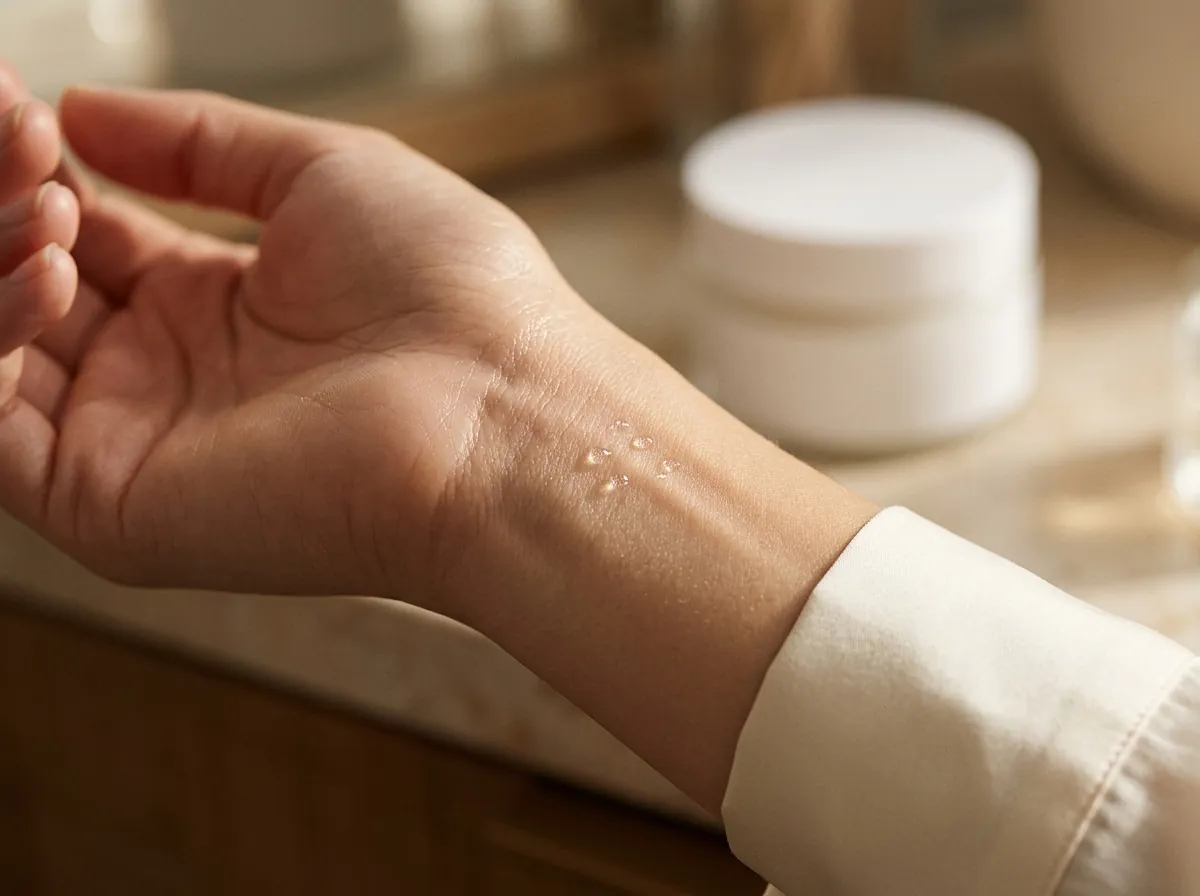
This is the best-understood factor. Perfume materials cling to the oils on your skin, and evaporate faster from dry skin.
- Drier skin tends to let a perfume fade sooner, and the bright top notes may vanish quickly.
- Oilier skin tends to hold scent longer and can make it feel richer and warmer.
That’s one reason the same perfume can last all day on one person and disappear by lunchtime on another. (See How to Make Perfume Last Longer in UAE Heat.)
Temperature
Warm skin makes perfume evaporate and project faster. Someone who runs warm will often smell a perfume’s heart and base notes sooner and more strongly than someone whose skin is cool. In the UAE, walking from a hot street into an air-conditioned mall changes how your perfume behaves within minutes.
Your own natural scent
Everyone has a faint natural scent of their own, shaped by many things including genetics, diet, health and even the soap you use. A perfume doesn’t sit on a blank canvas; it mixes with that background. Some notes, especially musks and woods, are designed to blend with skin, so they’re often the ones that vary most from person to person.
What you put on your skin
Lotions, sunscreen, body wash, deodorant and hair products all have their own scents and textures. They can clash with a perfume, mute it or change its opening. Applying perfume over an unscented moisturiser gives the most “true” result.
Fabric and hair
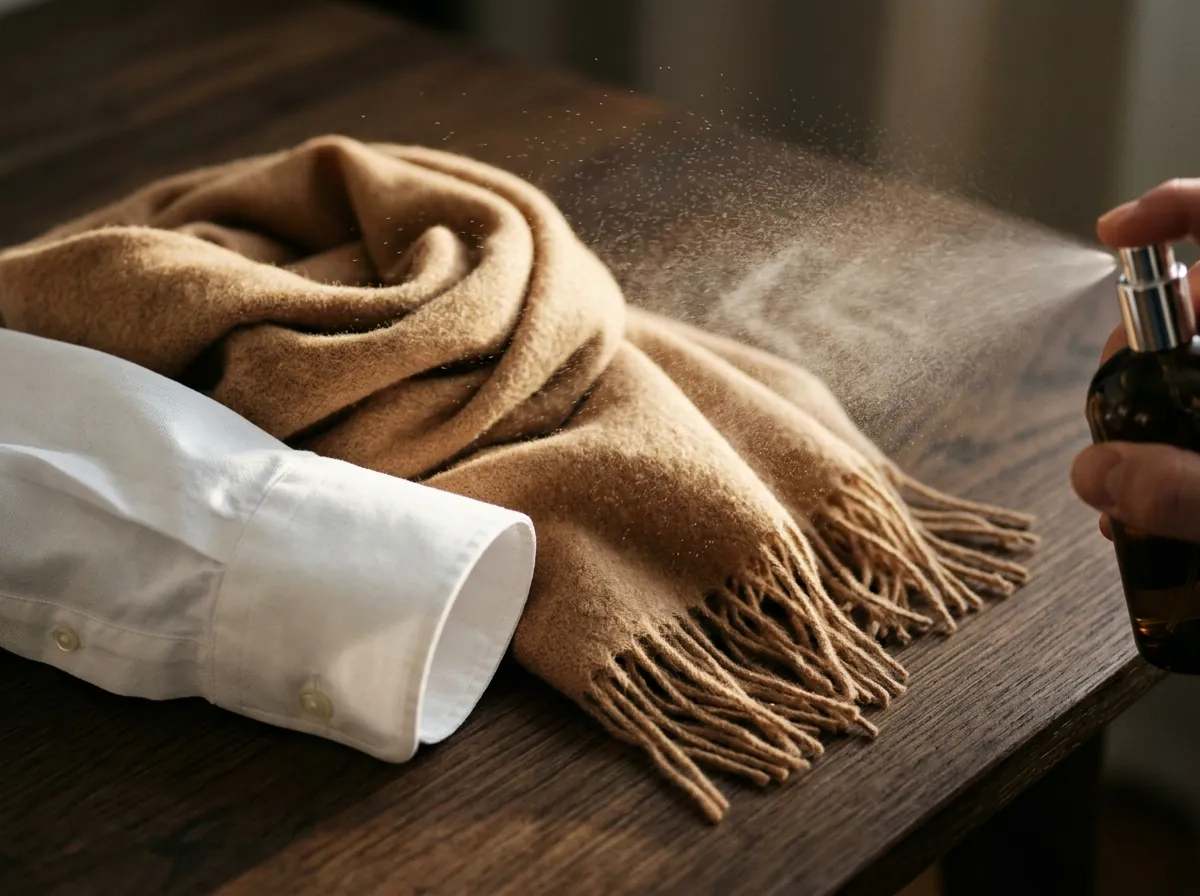
Perfume on a wool scarf, a cotton shirt or your hair will smell different from perfume on skin, and usually lasts longer, because there’s no body heat or skin oil changing it.
What about diet, pH and hormones?
You’ll often read that diet, skin pH, medication or hormones change how a perfume smells. These ideas are popular and some may play a part, but the evidence is limited and the effects are hard to measure. It’s fair to say they might contribute, but they’re less certain than the factors above.
Your nose, not just your skin
Part of the difference is in the person smelling. People’s sense of smell varies: some people barely notice certain musks, while others find them strong. And you get used to your own perfume quickly (called olfactory fatigue), so you may think it has faded while others can still smell it clearly.
What this means when you choose
- Always test on your own skin before buying. A paper strip or a friend’s wrist can only tell you so much.
- Wait. Judge a perfume after an hour or more, when it has settled into your skin.
- Test in your real life. A perfume can behave differently in the office, outdoors in the heat and in the evening.
- Moisturise first if your skin is dry, using something unscented.
- Ask someone close how it smells on you, since your own nose adapts quickly.
The takeaway
There’s no such thing as a perfume that smells exactly the same on everyone. That’s not a flaw; it’s part of what makes perfume personal. The perfume you love on someone else may become something slightly different, and entirely yours, on you.
More from Atelier Notes
 Perfume BasicsPerfume Glossary A–ZFrom accord to vetiver: a plain-English A–Z of perfume terms, including notes, concentrations and Gulf traditions such as oud, bukhoor and attar.
 GuidesScent and Celebration: Perfume Gifts for Eid, Diwali, Christmas, Lunar New Year and NowruzPerfume is one of the most loved gifts across cultures. How to choose a perfume as a gift, plus thoughtful touches for Eid, Diwali, Christmas, Lunar New Year and Nowruz.
 Perfume BasicsHow to Store Perfume in a Hot ClimateHeat, light and air are perfume's enemies. How to store perfume properly in the UAE climate, signs a perfume has turned, and the places to avoid.