Kolonya: Turkey’s Lemon Cologne of Hospitality
In Turkish homes, guests are welcomed with a splash of lemon kolonya. The story of this refreshing cologne, from its 19th-century roots to its place in hospitality today.
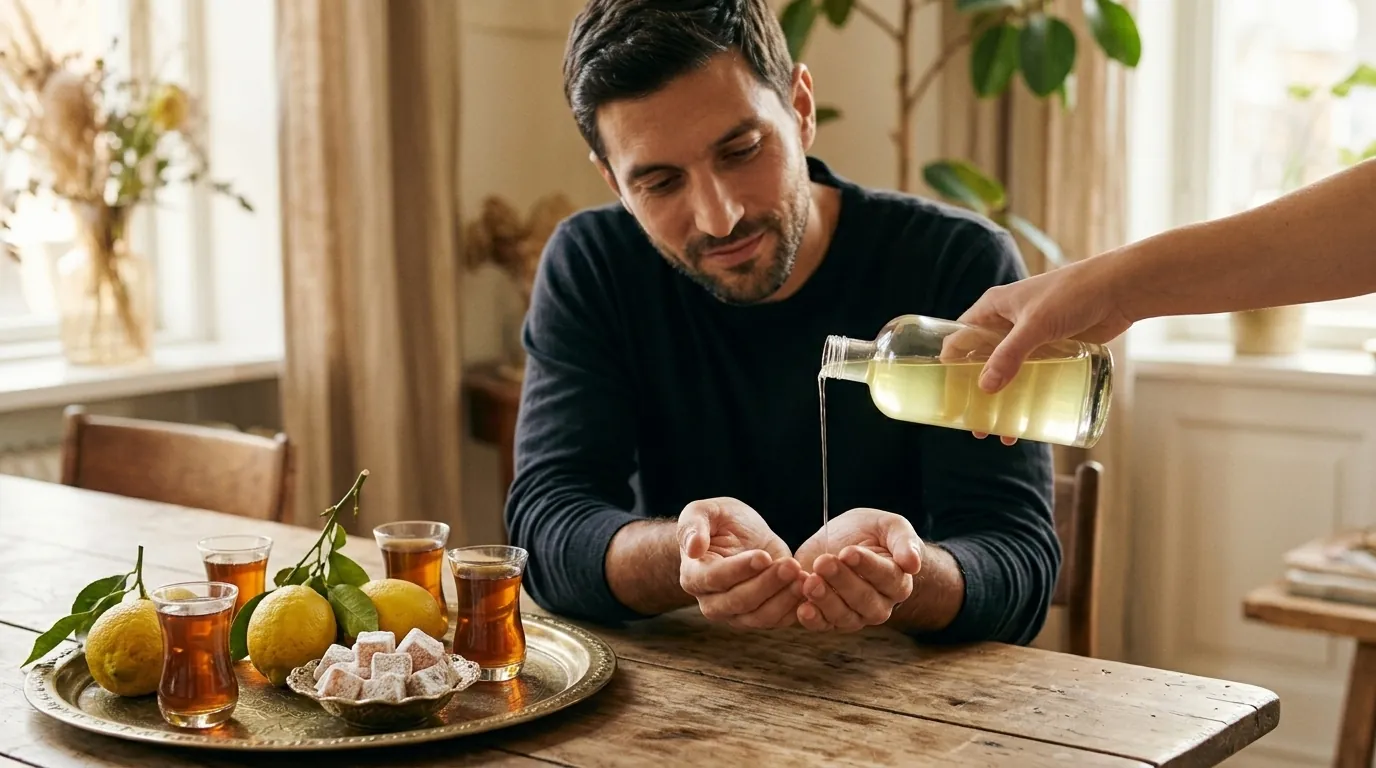
Visit a Turkish home, board a long-distance bus in Turkey or finish a meal in a traditional restaurant, and someone may offer you a few drops of clear, fragrant liquid poured into your cupped hands. You rub it in, breathe in a fresh burst of lemon, and feel instantly refreshed. This is kolonya, and it’s one of the world’s most charming scent traditions.
What is kolonya?
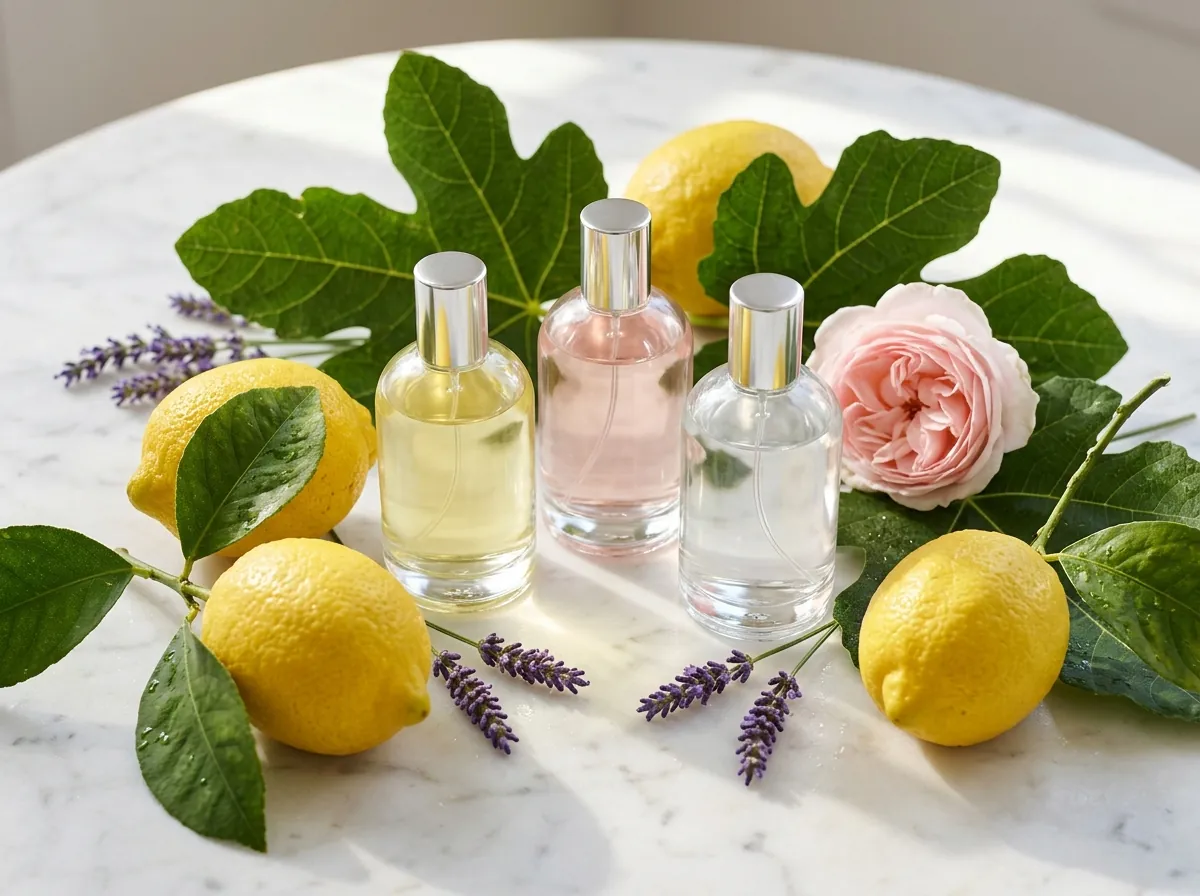
Kolonya is a light, alcohol-based cologne. It’s mostly alcohol, typically somewhere around 60 to 80 per cent, with water and a small amount of fragrance. That makes it much lighter in scent than a perfume, and wonderfully cooling on the skin as the alcohol evaporates.
The classic scent is lemon (limon), bright and clean. Other traditional favourites include rose, jasmine, fig blossom, lavender and tobacco flower, each with its own loyal followers.
Where it came from
The word comes from Eau de Cologne, named after the German city of Cologne, where a light, citrusy fragrance water became famous across Europe in the 18th century. (It’s also where the lightest perfume concentration gets its name; see Eau de Parfum, Eau de Toilette, Cologne.)
Cologne reached the Ottoman Empire in the 19th century. Before then, rosewater had been the fragrance of hospitality in Ottoman homes. Over time, locally made colognes took its place, developing their own character and becoming distinctly Turkish.
A gesture of welcome
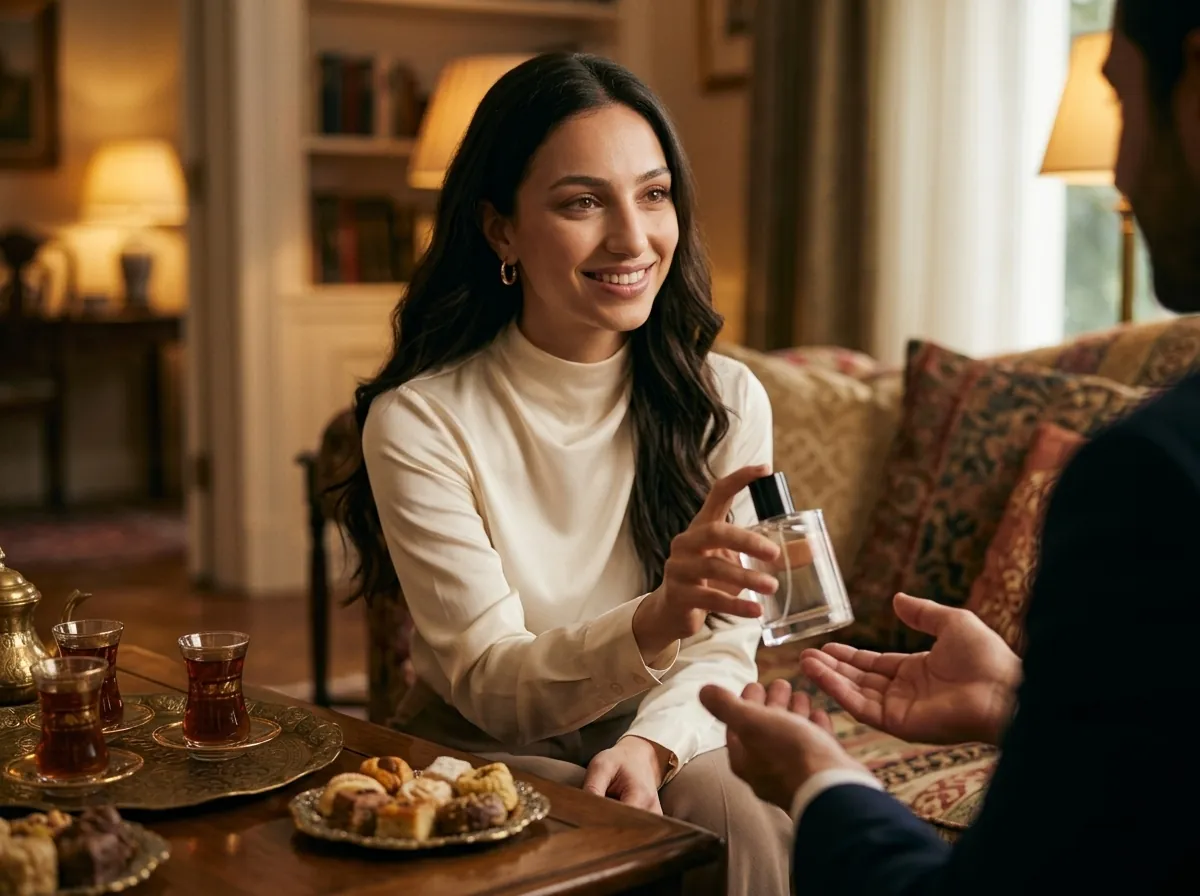
Kolonya is less a perfume than a ritual of care:
- For guests. Arriving visitors are often offered kolonya at the door or in the living room, as a sign of welcome.
- After meals. Many restaurants pour kolonya into diners’ hands at the end of a meal to refresh them.
- On journeys. Attendants on long-distance buses have traditionally walked down the aisle offering kolonya to passengers.
- During holidays. At religious festivals and family visits, kolonya is offered alongside sweets and chocolates.
- In every home. A bottle sits in almost every Turkish household, often near the front door.
It’s a small gesture, but it says a lot: you are welcome, and we want you to feel fresh and comfortable here.
Kolonya and perfume
Kolonya isn’t meant to last all day like a perfume. Its pleasure is in the moment: the coolness, the clean citrus lift, the sense of being looked after. Many people enjoy both, using kolonya to refresh their hands and face, and perfume as their personal scent.
If you’d like a similar refreshing feeling from your perfume routine, look for fresh citrus or aromatic scents, or keep a small citrus splash in your bag for hot afternoons. (See The Fragrance Families.)
Hospitality in many languages
Kolonya has relatives all around the world. In the Gulf, guests are honoured with oud smoke and perfume oils from a mabkhara. In parts of South Asia and the Middle East, rosewater is sprinkled to welcome visitors at weddings and celebrations. Across cultures, offering fragrance has long been a way of saying “welcome”. In a city as international as Dubai, you may encounter all of them in a single week. (Read Bukhoor, Attar and Perfume.)
The takeaway
Kolonya shows that fragrance can be generous rather than personal: something you offer to others, not only something you wear. The next time someone pours a few drops into your hands, you’ll know you’ve been welcomed in one of the most fragrant ways there is.
More from Atelier Notes
 Perfume BasicsEau de Parfum, Eau de Toilette, Cologne: What the Difference Really IsWhat do Eau de Parfum, Eau de Toilette and Cologne actually mean? A clear guide to perfume concentrations, and why ours are blended at 25%.
 Perfume CultureWearing Perfume in a Shared City: Office, Gym, Restaurants and Places of WorshipDubai is home to people from everywhere, and perfume habits differ. A friendly guide to wearing perfume considerately at work, at the gym, at dinner and beyond.
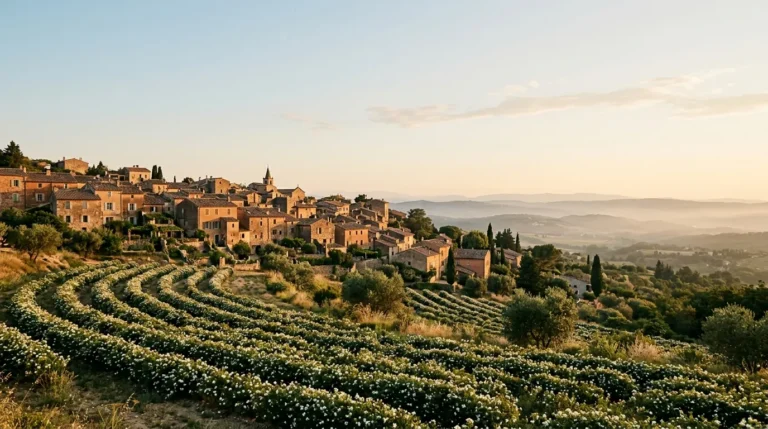 Perfume CultureGrasse and the Birth of Modern PerfumeryHow a small town in Provence went from tanning leather to growing jasmine and roses, and became the cradle of modern perfumery.