Bukhoor, Attar and Perfume: The Art of Layering Scent the Gulf Way
In the Gulf, scent is layered: bukhoor smoke, attar oil and perfume. What each one is, how to use bukhoor safely, and how to build your own scent ritual.
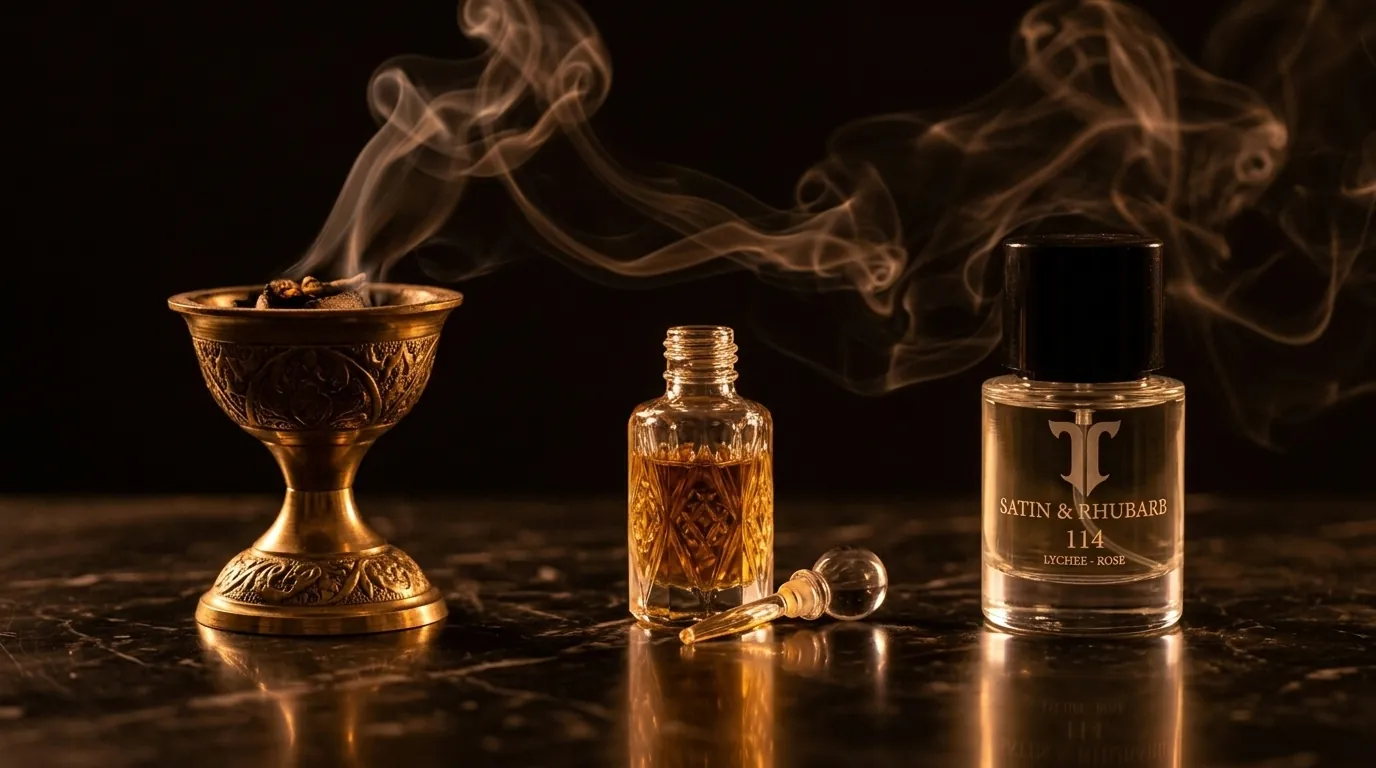
In much of the world, wearing perfume means a couple of sprays on the way out of the door. In the Gulf, it’s often a ritual in several layers: fragrant smoke for the clothes and home, a precious oil for the skin, and a perfume on top. The result is a scent that’s deeper, more personal and longer-lasting than any one of them alone.
The Gulf isn’t alone in this. In India, attar oils are traditionally worn alongside incense; in Heian-era Japan, courtiers scented their robes over incense burners; and Turkish homes still welcome guests with a splash of lemon kolonya. If you’ve come to the UAE from elsewhere, you may already know some of these rituals in another form.
Here’s what each layer is, and how to bring them together.
The three layers
Bukhoor: scented smoke
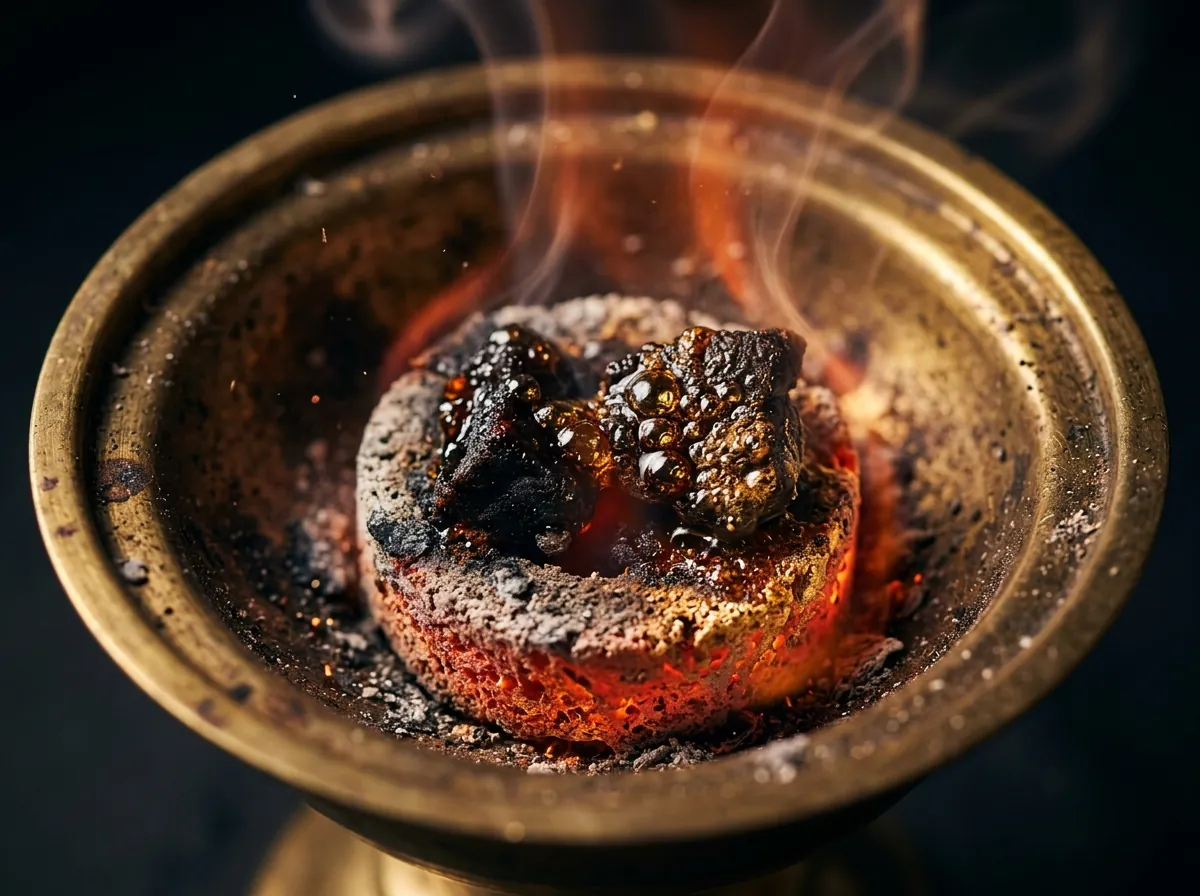
Bukhoor (also spelled bakhoor or bakhour) is scented wood: small chips or pressed pieces soaked in fragrant oils and blended with ingredients such as resins, musk, sandalwood, rose, amber and sometimes sugar or honey. Bukhoor recipes are often closely guarded family secrets.
It’s burned slowly in a mabkhara, a traditional incense burner, either on a small piece of hot charcoal or on an electric burner. The fragrant smoke is used to scent:
- The home, especially before guests arrive
- Clothes, held over the smoke or hung nearby
- Hair, gently wafted through the smoke
Bukhoor is related to, but different from, oud chips, which are pure pieces of natural agarwood. (Read What Is Oud?)
Attar: perfume oil
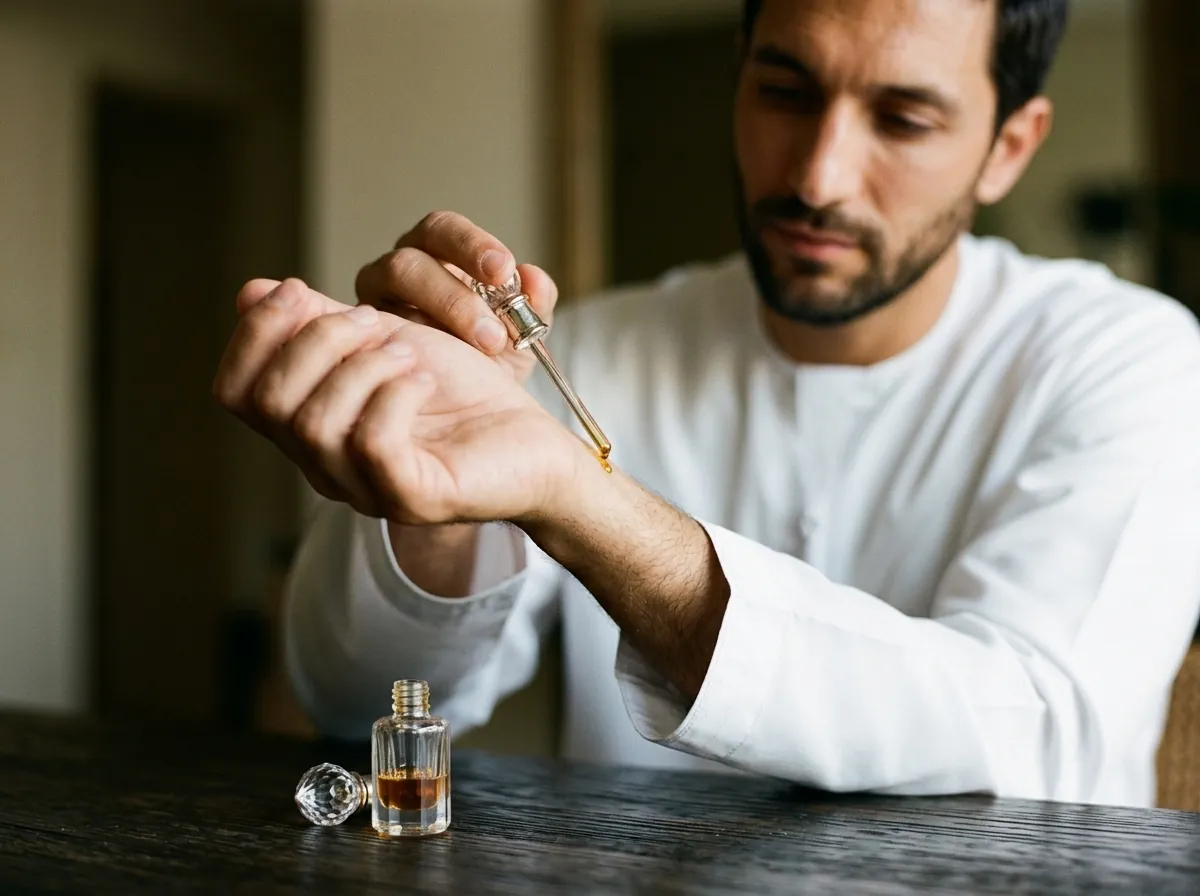
Attar (or ittar) is a concentrated, oil-based perfume with no alcohol. Traditionally, attars were made by distilling flowers, herbs or woods into a base such as sandalwood oil, a craft that still survives in parts of India. Today the word is also used more broadly for any oil-based perfume.
Attars are applied directly to the skin in tiny amounts, often dabbed from a small bottle with a glass rod. Because they contain no alcohol, they sit close to the skin, evaporate slowly and wear intimately.
Perfume: the alcohol-based spray
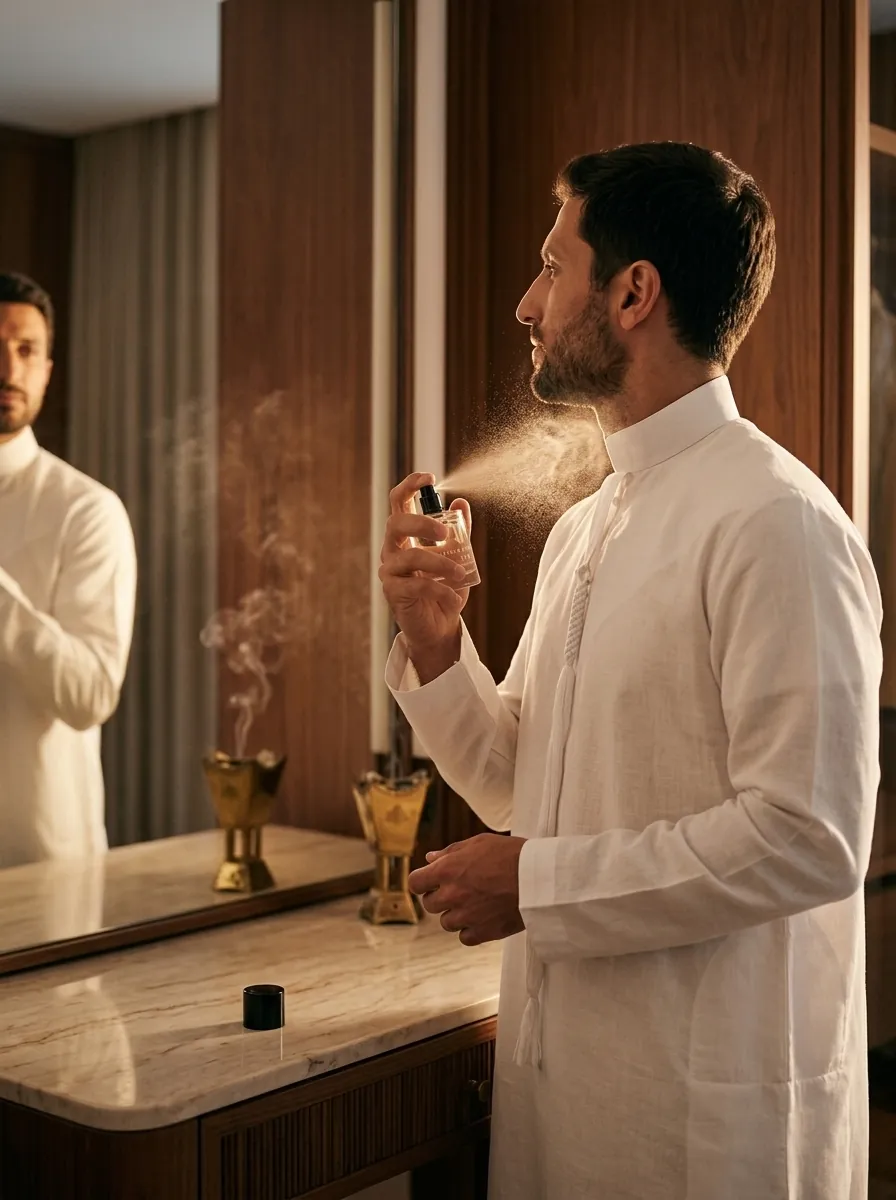
Alcohol-based perfume, such as Eau de Parfum, carries a scent further from the skin. It has more projection, the way a scent fills the space around you, and lets a composition unfold through its top, heart and base notes. (See Top, Heart and Base Notes, Explained.)
Why layer?
Each form does something the others can’t:
| Layer | Strength | Where it works |
|---|---|---|
| Bukhoor | Long-lasting, soft and smoky | Clothes, hair, home |
| Attar / oil | Close, rich, slow to evaporate | Skin |
| Perfume | Projection and a sense of movement | Skin and clothes |
Together, they create depth: the oil anchors the scent on the skin, the perfume carries it outward, and the bukhoor wraps around your clothes long after the rest has faded.
A simple layering ritual
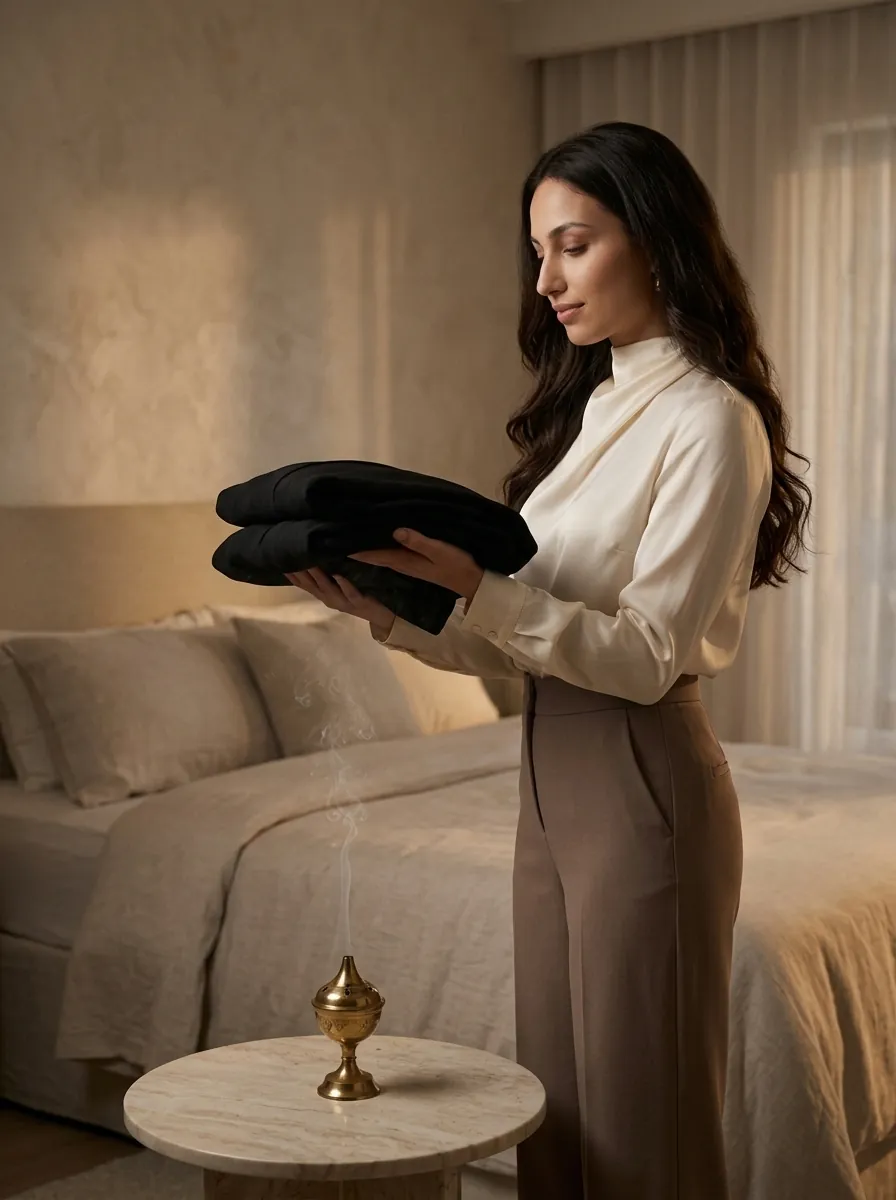
There’s no single correct order, and families do it differently. This sequence works well for most people:
- Bukhoor for clothes. Before dressing, or with your outer garment on, let the smoke drift through the fabric for a minute. Keep the burner at a safe distance (see below).
- Shower and moisturise. Clean, hydrated skin holds scent best.
- Attar or oil. A small dab on the wrists, behind the ears or at the base of the throat.
- Perfume. A few sprays on pulse points or over the oil, plus one light mist on clothing if you like.
- Bukhoor for hair. A final, brief waft before leaving, held well away from the hair itself.
Some people prefer to apply perfume first and bukhoor last, so the smoke is the final, outermost layer. Try both and see which you prefer.
How to pair scents
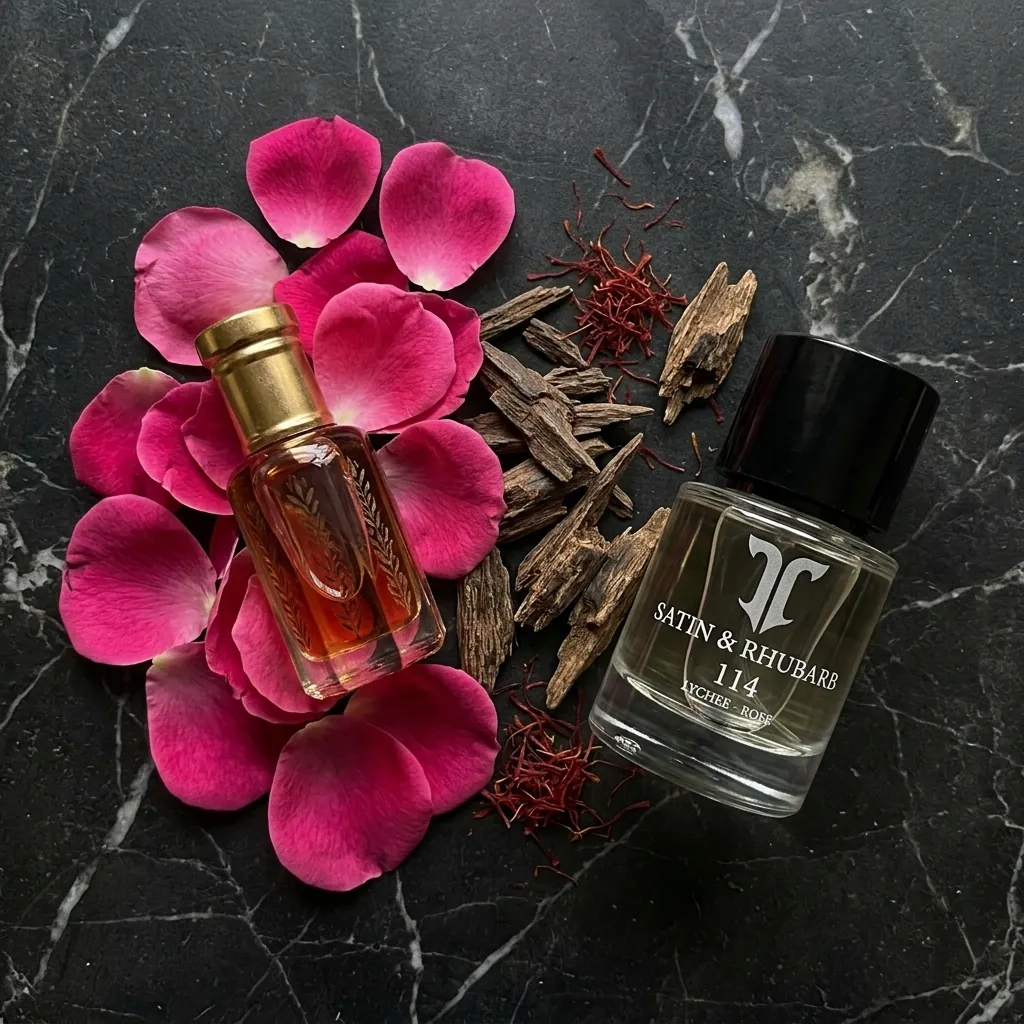
- Echo a note. Rose attar under a perfume with rose in its heart makes the rose richer.
- Contrast warm and fresh. Smoky oud bukhoor on clothes beneath a bright citrus perfume gives a fresh opening with a deep trail.
- Keep it to one star. If your attar is a strong oud, choose a softer perfume, and vice versa. Layers should work together, not compete.
- Test before an occasion. Combine new layers on a quiet day first.
Using bukhoor safely
Burning bukhoor means burning charcoal or using a heat source, so a little care goes a long way:
- Never leave a burning mabkhara unattended, and keep it away from children and pets.
- Keep a safe distance from fabric and hair. Hold clothes above the smoke, never near the coal. Synthetic fabrics and hair can catch fire or melt.
- Place the burner on a stable, heat-proof surface.
- Ventilate. Smoke in a closed room can become heavy. Open a window or run fresh air through afterwards, especially if anyone has asthma or breathing sensitivity.
- Let charcoal cool completely before throwing it away.
An electric mabkhara removes the need for charcoal, but still needs a stable surface and supervision.
A note on oils and fabric
Attars and perfume oils can leave marks on clothes, especially light colours and silk. Apply oils to skin rather than fabric, and let them settle before dressing.
The takeaway
Layering is how the Gulf has always worn scent: patiently, generously and personally. Start simply with smoke for your clothes and one perfume for your skin, then add an oil when you’re ready. The result is a scent that’s entirely your own.
More from Atelier Notes
 Perfume BasicsHow to Store Perfume in a Hot ClimateHeat, light and air are perfume's enemies. How to store perfume properly in the UAE climate, signs a perfume has turned, and the places to avoid.
 Perfume CultureWhat Is Oud? The Story of the Gulf’s Most Precious ScentOud, or agarwood, is one of the world's rarest perfume materials. Where it comes from, why it's so valuable, and how it's used in the Gulf today.
 Perfume BasicsHow to Read a Perfume Label: Ingredients, Allergens, Batch and ExpiryWhat do Alcohol Denat., Parfum (Fragrance), batch numbers and expiry symbols on a perfume box mean? A simple guide to reading a perfume label.