Grasse and the Birth of Modern Perfumery
How a small town in Provence went from tanning leather to growing jasmine and roses, and became the cradle of modern perfumery.
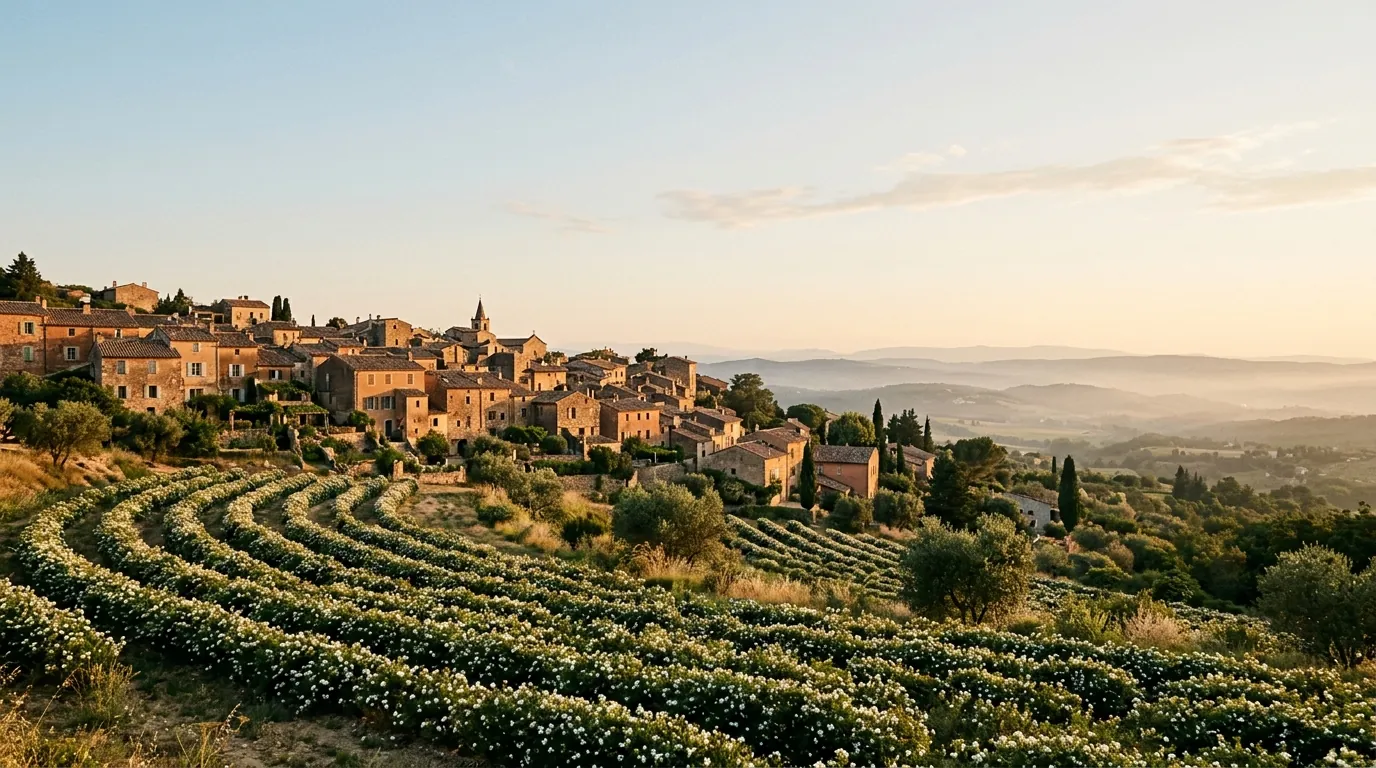
In the hills above the French Riviera sits Grasse, a small town of ochre houses and steep streets. For centuries its name has been tied to perfume. Many of the techniques, materials and professions of modern perfumery took shape here, and in 2018 UNESCO recognised the perfume skills of the Grasse region as part of humanity’s intangible cultural heritage.
From leather to perfume
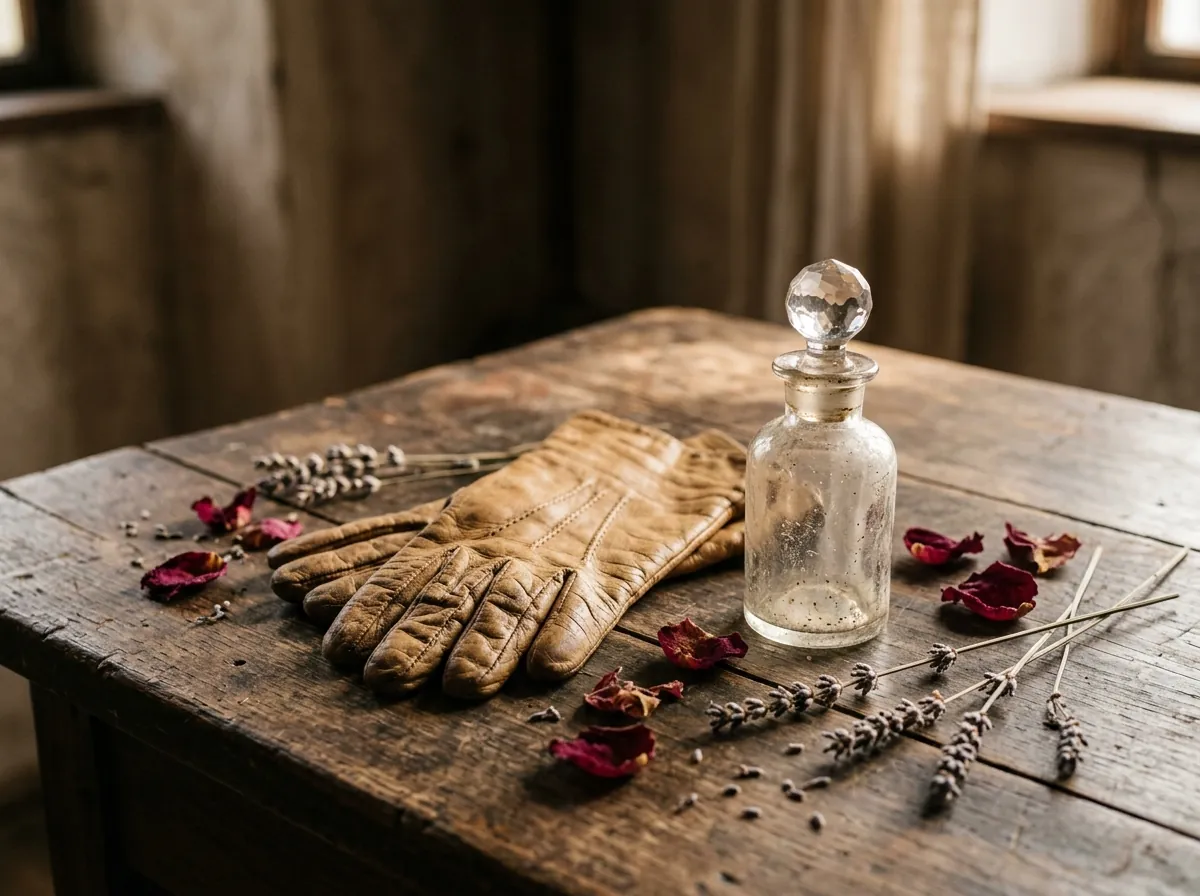
Grasse’s story begins with something that smelled much less pleasant: leather. In the Middle Ages and Renaissance, the town was known for tanning hides, a process with a famously harsh odour. Leather gloves became fashionable in Europe, and glove-makers began perfuming them to mask the smell.
The fashion for scented gloves created demand for fragrant materials, and the mild, sunny climate around Grasse proved perfect for growing flowers. Over time, perfume became more important to the town than leather itself.
The flowers of Grasse
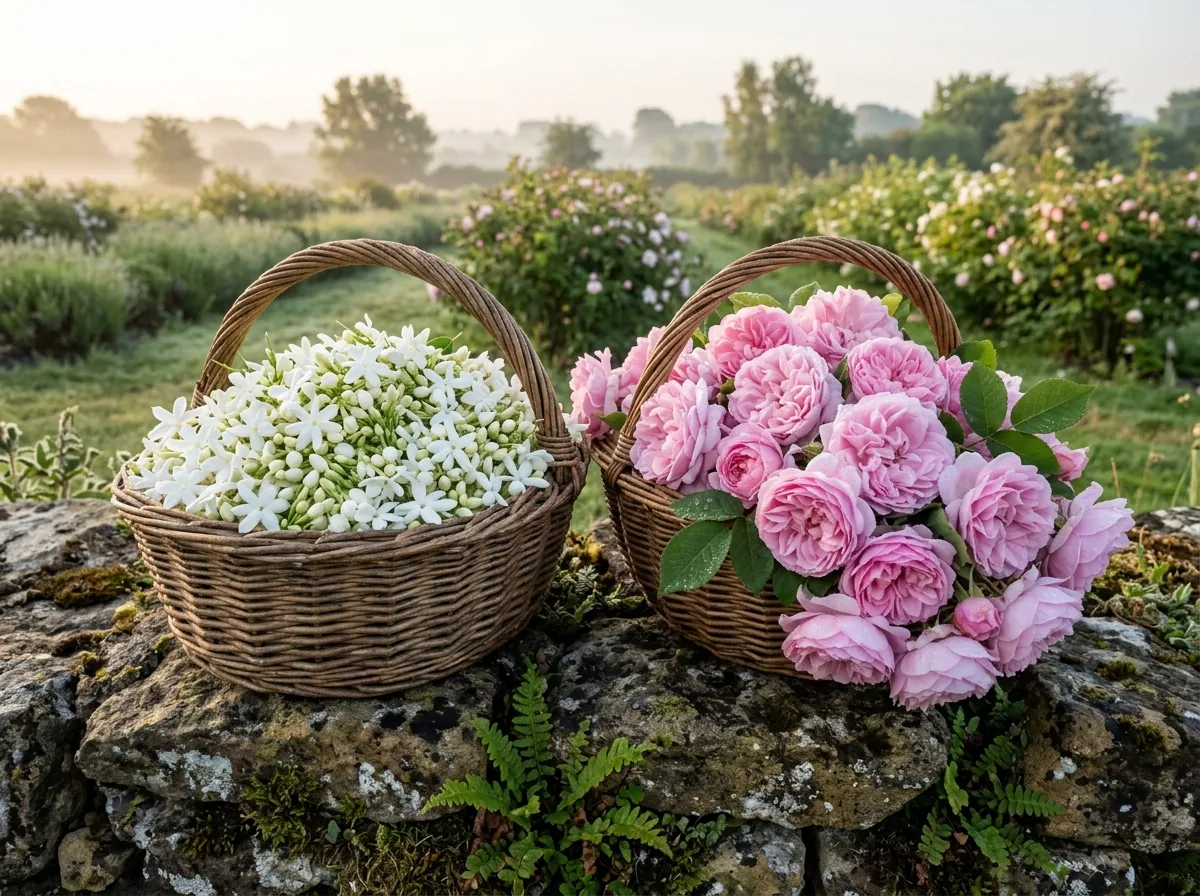
The region became famous for a handful of precious flowers, still grown there today:
- Jasmine (Jasminum grandiflorum). Picked by hand in the early morning, when its scent is strongest, during the late summer and autumn.
- Rose de Mai (Rosa centifolia). The “May rose”, a many-petalled rose harvested for only a few weeks each spring, with a honeyed, green, delicate scent.
- Tuberose. Creamy, heady and intensely floral.
- Others including orange blossom, violet, mimosa and lavender from the wider Provence region.
Because these flowers are harvested by hand and in small quantities, Grasse’s natural extracts are among the most precious in perfumery.
How Grasse captured scent
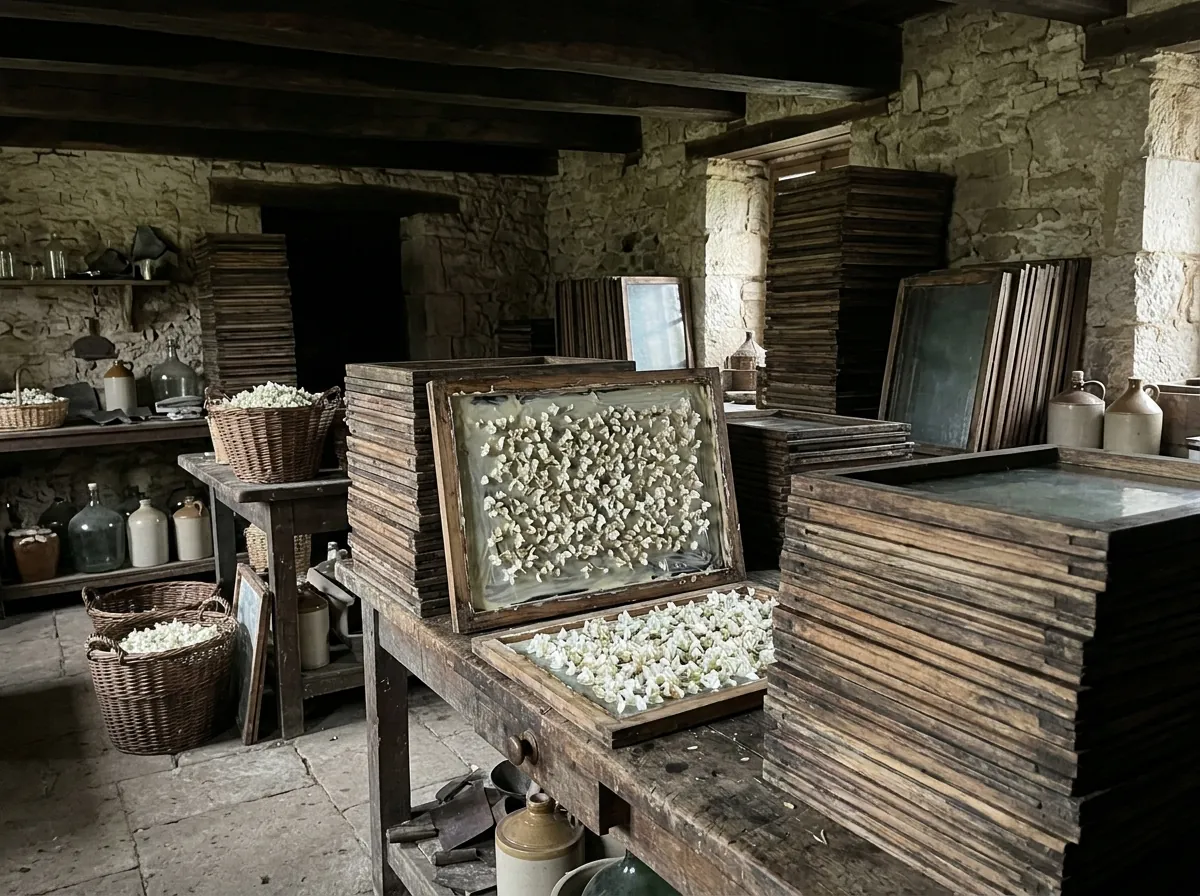
Grasse helped develop and refine several ways of extracting fragrance from flowers:
- Distillation: steam carries the scent out of the plant material, as it does in many traditions around the world.
- Enfleurage: a slow, painstaking technique for flowers too delicate for heat. Petals were laid on glass plates coated in a thin layer of purified fat, which absorbed their scent. The petals were replaced, sometimes daily for weeks, until the fat was saturated. The scent was then washed out with alcohol. Enfleurage is now rarely used commercially, but it’s a famous part of perfume history.
- Solvent extraction: developed later, and still used today to produce “absolutes” from flowers such as jasmine.
Where modern perfumery was born
By the late 19th and early 20th centuries, Grasse was supplying natural materials to perfumers across the world. At the same time, chemists were creating the first synthetic aroma materials. The combination of Grasse’s rich naturals with these new molecules shaped what we now think of as modern perfume. (Read Natural vs Synthetic.)
Grasse also helped establish the profession of the perfumer, sometimes called “the nose”: someone trained to recognise and compose with hundreds of materials. That tradition of training continues today.
Grasse today
Grasse remains a working perfume town. Some fields are still cultivated for jasmine, rose and tuberose, often under long-term arrangements that protect the growers’ traditions. Visitors can explore perfume museums and gardens, see historic equipment and walk through the old town where tanners and glove-makers once worked.
A shared heritage
Grasse is one of several great perfume capitals. Kannauj in India, the oud traditions of Southeast Asia and Arabia, and the incense cultures of Japan and China each developed their own ways of capturing scent. In a city like Dubai, where many of these traditions meet, it’s fascinating to see how much they share: flowers, fire, patience and skill. (Read Kannauj, India’s Perfume City.)
The takeaway
Modern perfume owes a great deal to a small town that once smelled of leather. Next time you smell jasmine or rose in a perfume, there’s a good chance its story leads back, in some way, to the hills of Grasse.
More from Atelier Notes
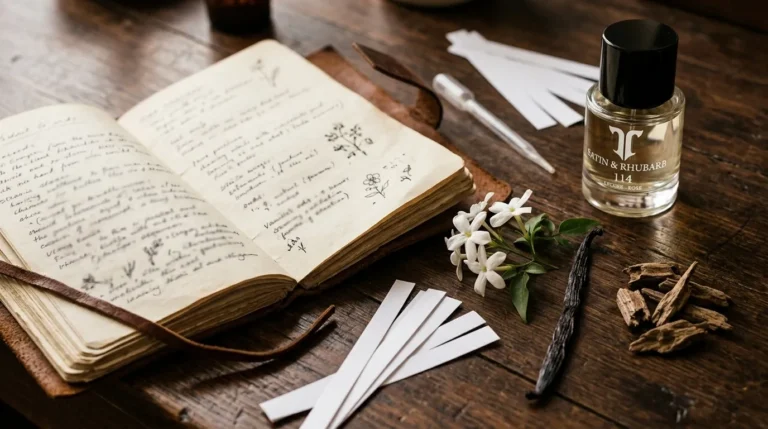 Perfume BasicsPerfume Glossary A–ZFrom accord to vetiver: a plain-English A–Z of perfume terms, including notes, concentrations and Gulf traditions such as oud, bukhoor and attar.
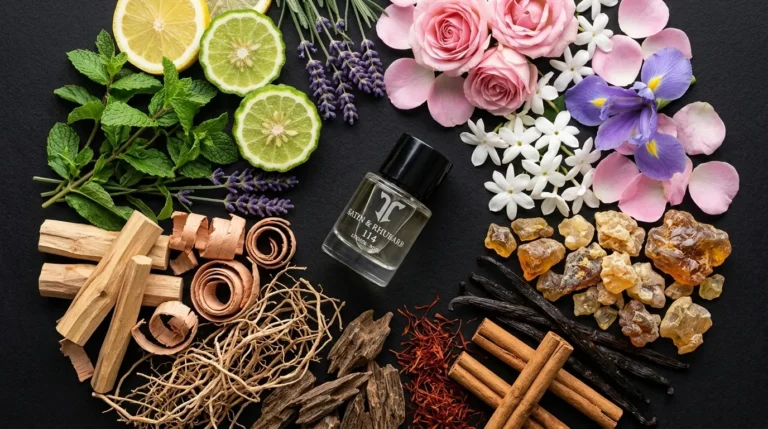 Perfume BasicsThe Fragrance Families: Finding Your Scent StyleFloral, amber, woody, fresh: a simple guide to the fragrance families, what each one smells like, and how to find the style that suits you.
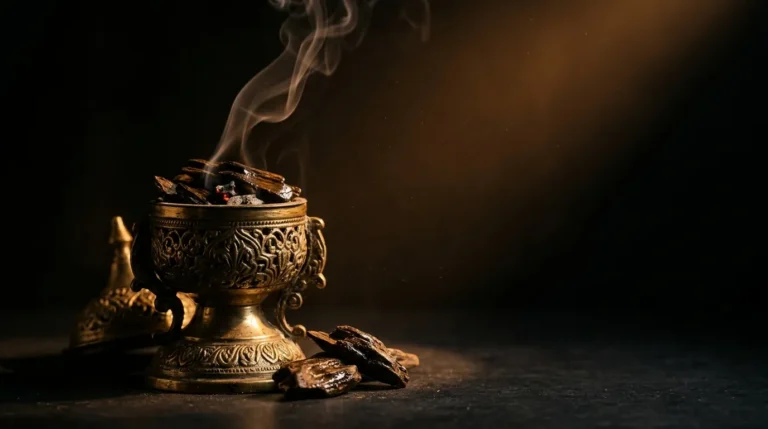 Perfume CultureWhat Is Oud? The Story of the Gulf’s Most Precious ScentOud, or agarwood, is one of the world's rarest perfume materials. Where it comes from, why it's so valuable, and how it's used in the Gulf today.